June 22, 2026
When a sink backs up or a shower starts pooling water, it is easy to assume the fix will be a quick one. However, anyone who has dealt with plumbing issues knows that while some situations are resolved in minutes, others turn into hours-long operations. Understanding why some drain issues are resolved quickly while others require more time involves a comprehensive analysis of various factors such as the nature of the blockage, the age of the plumbing infrastructure, and the methods employed for repair. We see these differences every day in our work, and the timeline almost always comes down to where the problem is located, what is causing it, and the condition of the pipes themselves.
Identify the Type of Blockage
Hair and soap scum are two of the most common culprits behind blocked drains. When soap binds with hair strands, it creates a thick residue that clings to the walls of pipes, gradually narrowing the path for water flow. Over time, this buildup can lead to significant obstructions, particularly in bathroom sinks and showers. Often, addressing these blockages can be relatively straightforward with mechanical tools like drain snakes. Despite their commonality, they highlight how everyday activities contribute to recurring plumbing challenges.
The physical composition of hair makes it particularly adept at binding with other substances. Soap, when combined with the naturally occurring minerals in water, contributes to a persistent blockage that solidifies over time. Given that most homes regularly deal with hair and soap, these blockages tend to recur if proactive measures aren't in place. Regular maintenance, such as manual hair removal from sink traps, can drastically reduce the incidence of such clogs. Homeowners who neglect these preventive measures may find themselves repeating these repairs often.
The resolution time for hair and soap scum blockages significantly depends on the extent of the buildup. Simple clogs in visible and accessible areas may take only minutes to resolve, whereas extensive ones further down the pipeline can stretch the repair time. According to information shared by Home Advisor, clearing out a basic obstruction close to a bathtub, toilet, or sink typically requires just about five minutes of work. Conversely, deeper blockages embedded far down the main line can extend the job to several hours because the technician must feed a significant amount of extra cable into the system and may need to utilize a specialized camera to verify that the pipe is completely clear. This illustrates the variable nature of what might appear as a simple problem on the surface.
Food and organic matter create unique challenges in kitchen and garbage disposal systems. Unlike the hair and soap scum combination, food particles interact with water and decompose, creating a stubborn mush that adheres to pipe surfaces. This is especially true with fatty substances that congeal as they cool, creating an almost cement-like blockage. Frequent flushing of food particles down the drain without proper disposal leads to cumulative buildup and often results in major household disruptions. Addressing these blockages may involve disassembling sections of the plumbing system for thorough cleaning.
Evaluate the Pipe Material and Age
The age of a home's plumbing system plays a significant role in its susceptibility to clogs and faults. Older pipes, crafted from materials more prone to corrosion and degradation, can exacerbate otherwise minor blockage issues. As time progresses, older piping can develop cracks or holes that contribute to more comprehensive disruptions within the plumbing system. In contrast, modern plumbing benefits from advances in material science, utilizing composites that resist corrosion and offer enhanced longevity.
Older infrastructure often demands more intensive maintenance and monitoring to maintain functionality. Routine repair procedures become increasingly frequent, making consistent preventive measures essential in avoiding costly interventions. Regular system evaluations and proactive checks mitigate unexpected breakdowns, preserving older systems from expedited erosion. Residents in vintage homes, aware of the challenges of aging infrastructure, often consider phased upgrades compatible with modern standards.
Modern plumbing supplies not only promote long-lasting durability but also incorporate eco-friendly practices that minimize environmental damage. Improvements in design and material selection support increased water flow and heightened resistance to mineral and physical blockages. Transitioning older infrastructure to newer, robust plumbing remains a considerable undertaking, but it yields enhanced system reliability and less frequent disruptions. Education on comparative materials assists homeowners in navigating potential upgrades, ensuring informed decision-making that transcends generational architecture.
Material composition within plumbing systems directly influences blockage frequency and lifespan. PVC, favored in contemporary constructions, provides several benefits, including corrosion resistance, lightweight properties, and cost-efficiency. Advancements in polymer composition result in reduced friction, decreasing material build-up, and promoting smoother flow. In contrast, traditional metal piping, while durable, struggles with innate vulnerabilities like rust, leading to compromised water quality and clogging.
Choose the Right Clearance Method
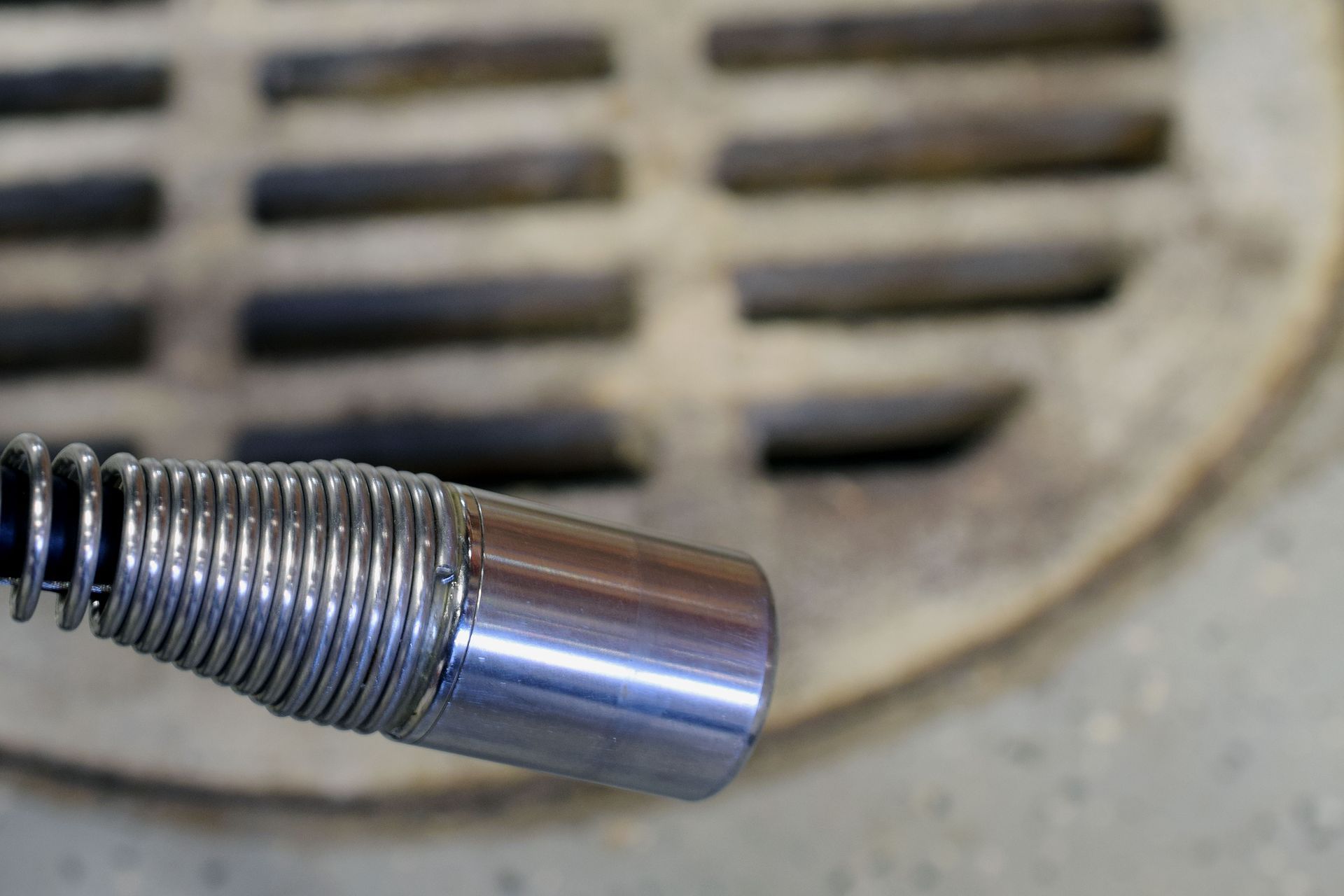
Mechanical draining tools offer a powerful first line of defense against many common blockages. These tools, such as drain snakes and augers, physically break through clods of debris that might be more challenging for chemical solutions to tackle. The versatility of these implements makes them indispensable for many plumbing professionals dealing with varied pipe materials and configurations. While manually operated, their design allows for reaching otherwise inaccessible areas of the plumbing system, aiding in clearing obstructions efficiently.
Mechanical tools' effectiveness caters to issues of varying complexity, from tackling superficial clogs to penetrating stubborn buildups located deeper within the piping network. The manipulation of such a tool requires skill to avoid damaging more sensitive parts of the drain system that mechanical interference can compromise. Proper usage bolsters long-term system resilience, preventing repeated issues and preserving functional standards. The choice of mechanical implementation often depends on individual inspection results and clog specifications.
Despite their powerful clearing capabilities, mechanical draining tools aren't foolproof in all situations. Complex obstructions often demand alternative measures alongside traditional snaking for comprehensive resolution. Implementing a multipronged approach ameliorates repair timelines, integrating alternative solutions in tandem with precise mechanical techniques. The correct application not only reduces time spent addressing a clog but also ensures more comprehensive intervention that supports future reliance without aggravating recurrence scenarios.
When standard tools are not enough to clear the path, we often look to advanced methods. Hydro jetting represents an advanced plumbing method using high-speed, high-pressure water jets to clear blockages and clean pipe walls. Unlike traditional mechanical tactics, hydro jetting effectively dislodges stubborn debris, removing mineral deposits and other hardened obstructions. This comprehensive approach eradicates clogs without damaging underlying pipe structures, securing enhanced long-term functionality. Implementing hydro jet technology provides an effective, environmentally conscious solution, freeing piping systems from considerable residue accumulation.
Schedule Routine Professional Maintenance
To save time and protect your infrastructure, regular drain cleaning is essential. Investing in consistent drain cleaning ensures that grease, hair, and soap scum never have the opportunity to solidify into major blockages. Overlooking the need for drain cleaning usually results in slow drains that eventually stop working altogether. When we perform professional drain cleaning, we clear out the entire diameter of the pipe, not just the center of the clog.
Routine drain cleaning also allows us to inspect your pipes for hidden structural issues. Choosing to schedule drain cleaning before a backup occurs can mean the difference between a five-minute maintenance visit and an emergency plumbing situation. Ultimately, proactive drain cleaning keeps your household running smoothly and extends the overall lifespan of your plumbing system.
Every plumbing system is unique, and the time required to clear a pipe depends entirely on what is hidden beneath the surface. From simple five-minute hair clogs to complex, hours-long main line blockages, we possess the tools, expertise, and advanced diagnostic equipment to handle the job correctly. We are licensed, bonded, and insured, proudly offering prompt service and fast and free estimates to residents throughout the Poplar Bluff, MO area. Whenever you encounter a stubborn backup or want to prevent one with professional
drain cleaning, reach out to Fiske Plumbing & Associates to schedule an inspection and keep your home's system flowing flawlessly.