May 29, 2026
Modern sewer line inspection is a critical task in maintaining the health and safety of infrastructure. With advancements in technology, these inspections are more efficient and provide numerous benefits. The traditional manual inspection methods have been overtaken by high-tech solutions such as camera systems and robotics. These innovations allow for a comprehensive view into the underground systems without intrusive digging. As urban areas continue to grow, the demand for improved sewer line inspection methods becomes even more necessary to ensure the longevity and reliability of municipal systems.
1. Early Detection of Potential Issues
A. Prevention of Major Failures
Early detection through modern sewer line inspections can prevent catastrophic failures that can disrupt entire communities. By identifying blockages and weak points early, municipalities can act swiftly before minor issues evolve into major crises. For example, according to the EPA, fats, oils, and grease account for approximately 47% of all sanitary sewer blockages. Detecting such blockages can avert serious breaches that might otherwise require extensive repairs. Proactive measures not only save costs but also ensure the continuity of essential services.
B. Timely Maintenance Scheduling
Modern inspections facilitate the scheduling of maintenance activities with precision. By understanding the current state of sewer lines, municipalities can plan cleaning and repair efforts before emergencies arise. This proactive approach is instrumental in maintaining operational efficiency and avoiding sudden disruptions that may affect communities' day-to-day activities. Furthermore, scheduled maintenance based on real-time data ensures resources are allocated effectively, reducing unnecessary expenses. The foresight provided by modern technology ultimately contributes to a more resilient infrastructure system.
C. Avoidance of Emergency Repairs
Emergency repair scenarios often lead to higher costs and greater inconvenience. Modern sewer inspections allow for the early identification of potential problem areas, thereby minimizing the need for sudden interventions. When issues are addressed before they escalate, municipalities can avoid the high expenses associated with emergency responses. Additionally, avoiding emergencies helps maintain public satisfaction and trust in local authorities' ability to manage community resources. The avoidance of hurried repairs also reduces the environmental impact that comes with rapid construction activities.
D. Prolonging Sewer Line Lifespan
Routine inspections play a crucial role in extending the lifespan of sewer infrastructure. Identifying issues before they compromise the integrity of the sewer lines ensures long-term durability. Through regular maintenance and inspections, minor wear and tear can be addressed, preventing larger structural damage. This proactive care helps in reducing the frequency of complete overhauls and enhances the utility of existing infrastructure. Consequently, cities and towns can focus on sustainable development rather than constant replacement projects.
E. Minimizing Disruption to Services
Service disruptions are costly, not only in financial terms but also in the disruption to community life. Modern sewer line inspections help ensure that any repairs or maintenance work is preemptively planned and conducted with minimal disruption. By detecting faults early, municipalities can alert affected residents ahead of time and schedule work during off-peak hours. This thoughtful approach to infrastructure management strengthens community relations and respects the citizens' and businesses' need for uninterrupted services. Ultimately, minimizing disruptions is key to fostering a harmonious urban environment.
2. Cost-Effective Solutions
A. Reduced Repair Costs
The integration of advanced technology in sewer line inspections significantly reduces repair costs. By catching issues early, municipalities can initiate smaller, less expensive repairs rather than large-scale projects. The use of modern tools enables accurate pinpointing of problems, ensuring that only affected areas are addressed, thereby minimizing additional work. Advanced inspection techniques also lead to shorter repair times, reducing labor costs. This focused approach to infrastructure maintenance translates into substantial savings for government bodies and taxpayers.
B. Lower Maintenance Expenses
Regular monitoring and data collection help identify maintenance needs before they escalate into more severe issues. Predictive maintenance, guided by technology, reduces unnecessary assessments and focuses efforts where they are most needed. By preventing unforeseen breakdowns, municipalities save on emergency repairs and minimize their maintenance budgets. The overall decrease in unexpected expenditures means funds can be reallocated to other necessary civic projects. Consistent and targeted maintenance ultimately equates to cost efficiency and sustainability.
C. Efficient Resource Utilization
Modern sewer line inspections encourage the efficient use of resources by providing accurate data and analytics. With precise information, cities and towns can allocate manpower, equipment, and finances where they will have the most impact. Similarly, using technology such as remote cameras and sensors reduces the need for physical labor, limiting resource drain. Efficiency in resource utilization not only saves money but also ensures the optimized functioning of infrastructure systems. This holistic approach to resource management benefits both local governments and their constituents.
D. Budget-Friendly Infrastructure Investment
Smart investment in modern sewer line inspection technology ultimately results in budget-friendly outcomes. Initially, the upfront cost might seem substantial, but the long-term savings surpass these initial expenses. Continuous monitoring allows for the prevention of major repairs, which are significantly more costly. Furthermore, municipalities can strategically plan their financial investments to enhance infrastructure quality and reliability. Such prudent financial management is necessary for thriving urban areas seeking sustainable growth.
E. Insurance Premium Benefits
Regular inspections and maintenance data can benefit municipalities when dealing with insurance. Reliable and comprehensive reporting often leads to lower insurance premiums, as risks are effectively minimized. Insurance providers consider well-maintained infrastructure as less risky, passing savings on to policyholders. The reduction in premiums provides an additional financial incentive to maintain rigorous inspection practices. Consequently, this cost-benefit analysis supports the argument for modern sewer inspection adoption and regular upkeep.
3. Enhanced Accuracy and Reliability
A. Precision in Problem Identification
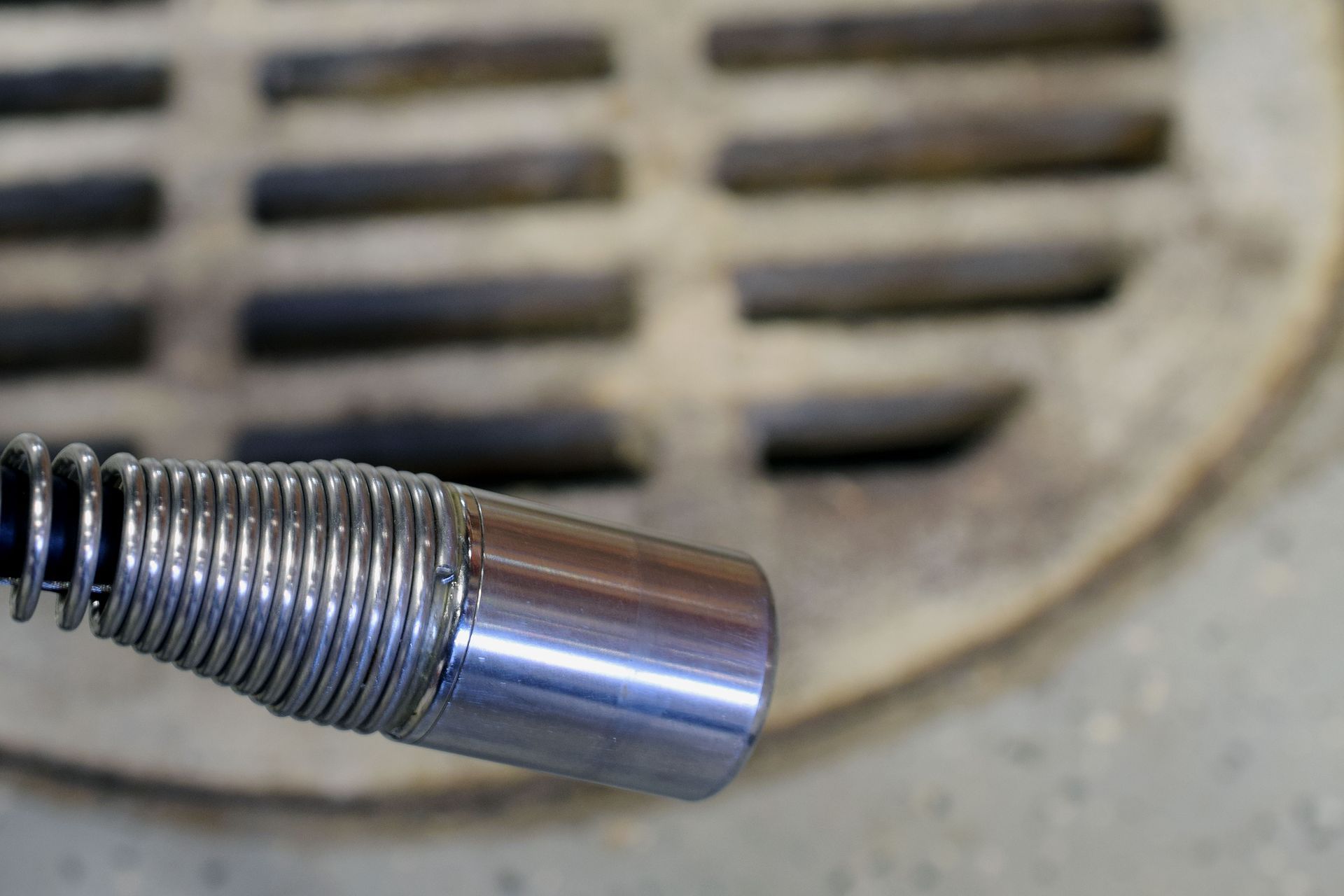
Advanced technologies in sewer inspections guarantee higher precision in identifying existing and potential issues. Tools such as CCTV cameras and robotic crawlers offer a clear view of sewer conditions, eliminating guesswork. By leveraging these technologies, municipalities can develop precise action plans to address detected problems effectively. The ability to pinpoint exact locations of trouble spots minimizes disruptions and unnecessary digging. This technological precision fosters a more efficient and targeted approach to infrastructure management.
B. Detailed and Accurate Reporting
Modern inspection methods provide detailed and accurate reports that are crucial for informed decision-making. Video documentation and sensor data produce comprehensive records that outline sewer conditions. These reports can be shared with stakeholders, ensuring transparency and trust in public works projects. Detailed reporting also supports regulatory compliance and helps in maintaining public accountability. The accessibility and clarity of information enhance the ability of municipalities to manage resources carefully.
C. Use of Advanced Technology
Advanced technology, including artificial intelligence and machine learning algorithms, elevates modern sewer line inspections. These innovations analyze vast amounts of data to accurately predict potential issues and suggest preventive measures. Robotics navigate complex sewer systems, offering insights that would be challenging to acquire manually. Integration of these technologies into municipal systems accelerates problem-solving and streamlines operations. The use of cutting-edge technology contributes to a more reliable and sophisticated management of sewer infrastructure.
Modern sewer line inspections provide critical benefits ranging from early detection and cost savings to environmental protection and enhanced public safety, making them an indispensable part of urban infrastructure management. By integrating advanced technologies, municipalities can optimize their operations, improve resilience, and contribute positively to sustainable urban development. As cities grow and evolve, maintaining robust infrastructure systems through regular inspections will remain a priority, securing the health, safety, and well-being of all inhabitants. Be sure to reach out to Fiske Plumbing & Associates to learn more about our professional sewer camera inspection!